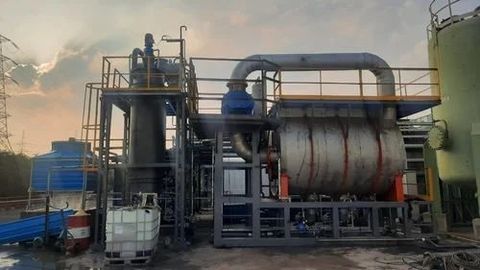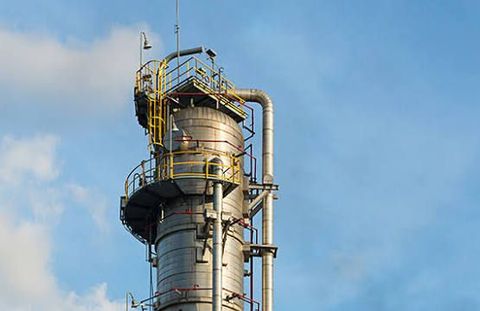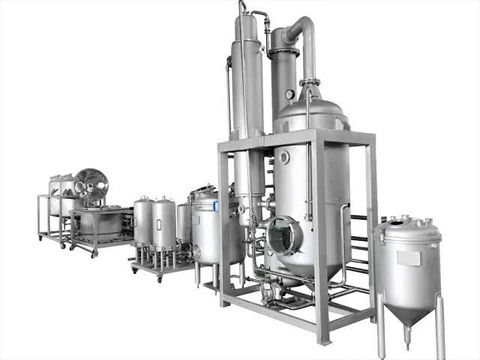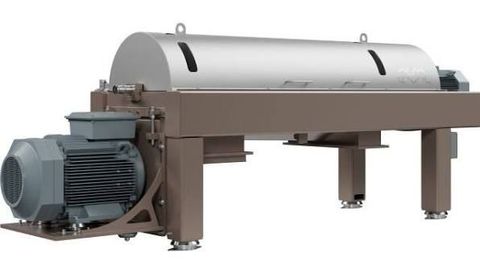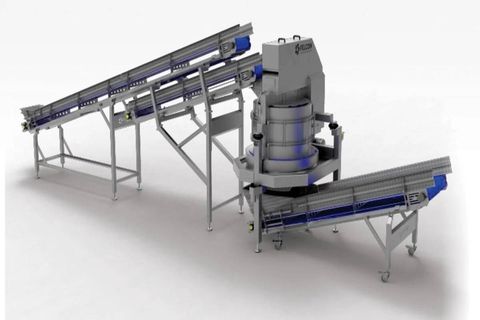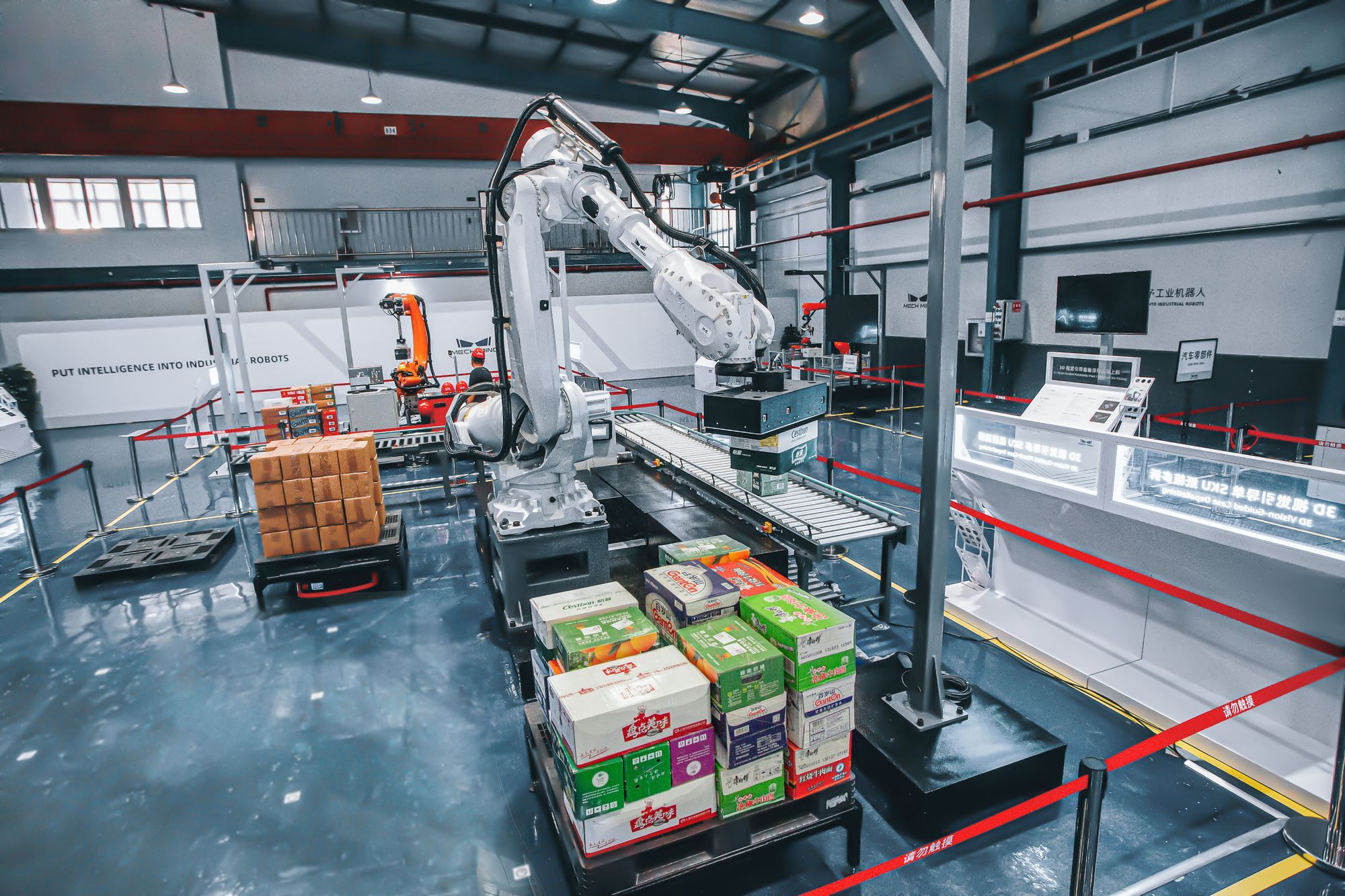
Industrial batch processing equipment is used to produce materials or products in controlled quantities, with each production cycle completed before another batch begins.
This approach is common in industries such as food processing, chemicals, pharmaceuticals, cosmetics, paints, and specialty materials where different formulations or production conditions may be required.
A typical batch operation can involve several stages, including weighing, mixing, heating, cooling, blending, reaction, drying, or filling. Equipment is selected according to the material being processed, required temperature and pressure ranges, batch size, processing time, and the level of control needed.
How Batch Processing Works
Unlike continuous processing, where materials move through equipment without regular production stops, batch processing works in defined cycles. Operators load a measured quantity of materials, process them according to specified parameters, and then transfer or unload the completed batch.
Common equipment includes:
- Batch mixers for combining materials
- Industrial reactors for controlled chemical processes
- Agitated tanks for blending and holding
- Batch ovens for controlled heating
- Industrial dryers for moisture removal
- Weighing and dosing systems for material measurement
- Control systems for monitoring temperature, pressure, speed, and timing
The equipment can be arranged as an integrated production system or operated as individual processing units, depending on the manufacturing process.
Importance
Industrial batch processing equipment plays an important role where production requires flexibility and controlled processing conditions. Manufacturers may need to produce different formulations, change production quantities, or adjust operating parameters between batches.
Batch operations also make it possible to document processing conditions for individual production cycles. Records may include ingredient quantities, processing temperatures, mixing durations, equipment settings, and completion times.
Factors That Affect Batch Operations
Several factors influence how efficiently a batch process operates. Material characteristics, equipment capacity, mixing behavior, heating and cooling requirements, and cleaning procedures can all affect the overall production cycle.
| Factor | Typical Consideration |
|---|---|
| Batch size | Determines equipment capacity |
| Mixing speed | Influences material blending |
| Temperature | Affects heating, cooling, or reactions |
| Processing time | Determines cycle duration |
| Material properties | Influence flow and mixing behavior |
| Cleaning requirements | Affect changeover time |
| Control systems | Monitor important operating conditions |
Energy management is another consideration. Heating, cooling, pumping, mixing, and drying can require substantial energy depending on the process. Equipment design, insulation, operating parameters, and production scheduling can influence energy use.
Automation and Process Control
Modern batch systems can incorporate sensors, programmable logic controllers, automated valves, data recording systems, and human-machine interfaces. These technologies allow operating conditions to be monitored during different stages of a batch.
Automation can also help maintain consistent operating procedures by controlling predefined parameters. However, appropriate equipment configuration, maintenance, calibration, and operator oversight remain important parts of a controlled production environment.
Tools and Resources
Several resources can help people understand or plan industrial batch processing operations. Equipment capacity calculators can help estimate tank or vessel volume, while mixing calculations can be used to examine factors such as agitator speed and material characteristics.
Process flow diagrams are useful for visualizing how materials move between equipment. Batch records and production templates can also organize information such as material quantities, processing stages, temperatures, time intervals, and inspection points.
Useful resources may include:
- Equipment manufacturer technical documentation
- Industrial process-control manuals
- Engineering calculation tools
- Process flow diagram templates
- Equipment maintenance records
- Occupational and industrial safety guidance
- Technical standards databases
- Spreadsheet-based batch planning templates
These resources can support general planning and understanding, although specific industrial processes may require qualified engineering and safety review.
FAQs
What is industrial batch processing equipment?
Industrial batch processing equipment consists of machinery used to process a defined quantity of material during a controlled production cycle. Examples include mixers, reactors, tanks, dryers, ovens, and dosing systems.
How does batch processing equipment improve production control?
Industrial batch processing equipment can provide defined processing stages and measurable operating parameters. Temperature, mixing speed, pressure, time, and material quantities can be monitored according to the requirements of the process.
What industries use batch processing equipment?
Batch processing equipment is used across food production, chemical manufacturing, cosmetics, paints, specialty materials, pharmaceuticals, and other industries where controlled quantities and variable formulations are required.
What factors should be considered when selecting batch processing equipment?
Important factors include batch capacity, material characteristics, temperature range, pressure requirements, mixing needs, cleaning procedures, automation requirements, and compatibility with the production process.
Can industrial batch processing equipment be automated?
Yes. Batch systems can incorporate sensors, programmable controllers, automated valves, monitoring interfaces, and data recording systems. The level of automation depends on the process and operational requirements.
Conclusion
Industrial batch processing equipment supports production processes that require defined quantities, controlled operating conditions, and flexibility between production cycles. Mixers, reactors, tanks, dryers, heating systems, and control equipment can work together to manage different processing stages. Equipment capacity, material properties, energy requirements, automation, and process documentation are important considerations when evaluating batch operations. Understanding these factors provides useful context for how modern batch production systems function.