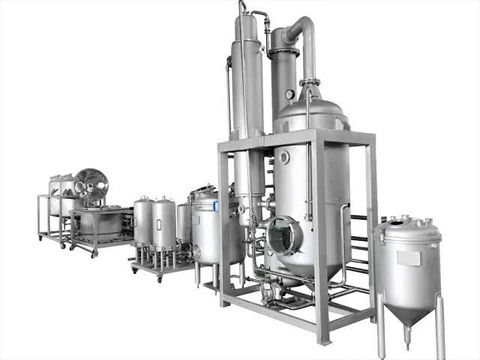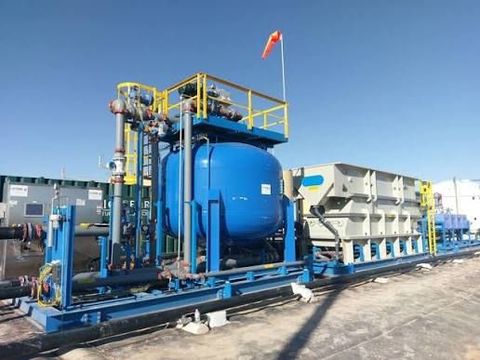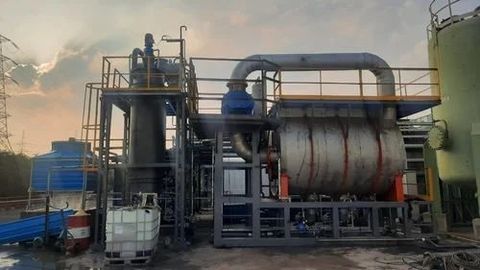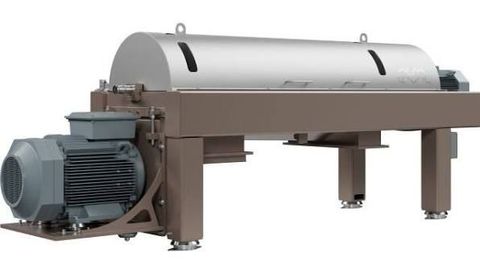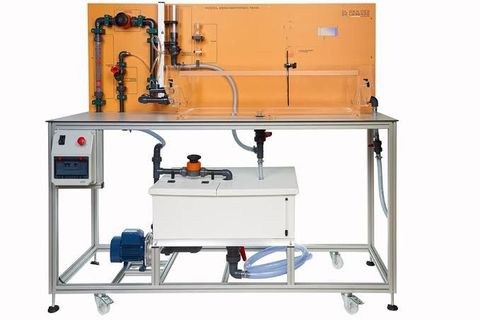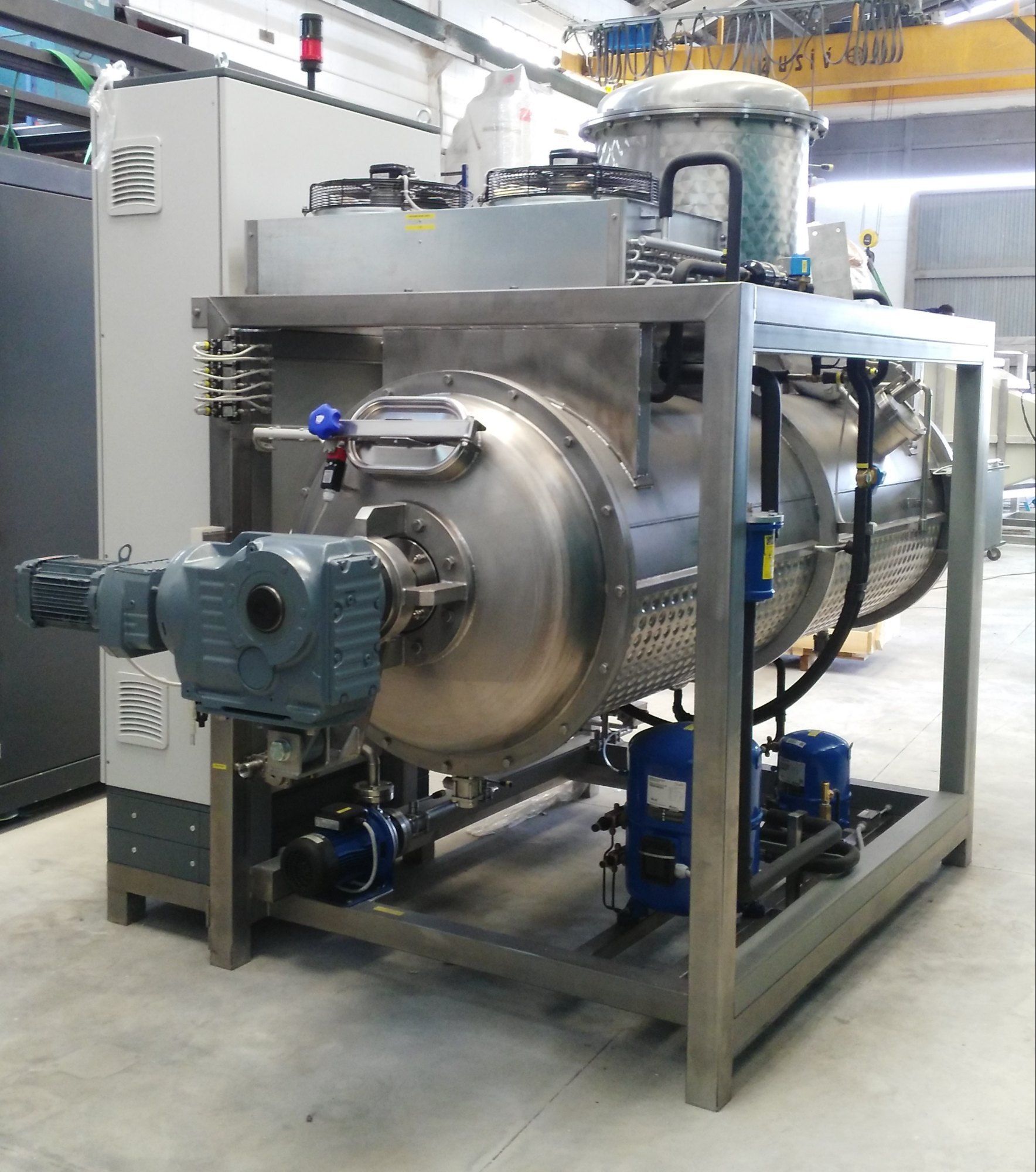
Industrial crystallization equipment is used to form solid crystals from liquids, melts, or solutions.
Crystallization occurs when a material reaches conditions where dissolved or melted components begin forming organized solid structures. The process is widely used in chemical processing, food production, minerals, water treatment, and pharmaceutical manufacturing.
Industrial crystallization equipment developed from basic evaporation and cooling processes into specialized systems designed to control crystal formation. Different equipment designs manage temperature, concentration, pressure, mixing, and residence time to influence crystal size and consistency.
How Industrial Crystallization Works
The basic process involves creating supersaturation, which means a solution contains more dissolved material than it can normally maintain under specific conditions. Supersaturation can be created through cooling, evaporation, chemical reaction, or changes in pressure.
Once supersaturation is reached, nucleation can occur. Small crystal particles form first, followed by crystal growth as additional material deposits onto their surfaces.
Common equipment configurations include:
- Cooling crystallizers, which reduce temperature to encourage crystal formation
- Evaporative crystallizers, which remove solvent to increase concentration
- Vacuum crystallizers, which use reduced pressure to support evaporation at lower temperatures
- Draft-tube-baffle crystallizers, which use controlled circulation for crystal growth
- Forced-circulation crystallizers, which move liquid through heat-transfer equipment and the crystallization chamber
Importance
Industrial crystallization equipment matters because crystal characteristics can influence how materials are separated, processed, stored, and handled. Crystal size, shape, purity, moisture content, and uniformity may affect downstream processing.
Industries use crystallization for several purposes. Chemical manufacturers can separate compounds from solutions, food processors can produce crystalline ingredients, and mineral processors can recover useful materials from concentrated streams.
Factors That Influence Crystal Formation
Several operating conditions affect the final crystal structure. Temperature is particularly important because solubility often changes as temperature changes. Concentration, agitation, cooling rate, impurities, and residence time can also influence nucleation and crystal growth.
| Factor | Potential Effect on Crystallization |
|---|---|
| Temperature | Influences solubility and crystal growth |
| Concentration | Determines the level of supersaturation |
| Mixing | Helps distribute heat and dissolved material |
| Cooling rate | Can influence nucleation and crystal size |
| Residence time | Provides time for crystal growth |
| Impurities | May affect crystal shape and purity |
Poorly controlled conditions can produce very small crystals, irregular particles, unwanted deposits, or inconsistent batches. Equipment design therefore considers both the material properties and the required crystal characteristics.
Where the Technology Is Used
Industrial crystallization equipment appears in a broad range of processes, including:
- Salt and mineral recovery
- Sugar crystallization
- Chemical compound separation
- Fertilizer production
- Food ingredient processing
- Wastewater concentration and recovery
- Specialty chemical manufacturing
The appropriate configuration depends on factors such as feed composition, heat sensitivity, desired crystal size, solvent characteristics, and production requirements.
Tools and Resources
Several technical tools can help people understand or evaluate crystallization processes. Process calculators can estimate solubility changes, material balances, evaporation requirements, and heat-transfer conditions. These calculations provide a starting point for understanding how operating conditions may influence equipment performance.
Process simulation platforms can also model temperature, concentration, mass flow, and energy balances. Engineering spreadsheets and crystallization design worksheets may be used to organize input data and compare different operating conditions.
Useful resources include:
- Solubility tables for understanding temperature and concentration relationships
- Material-balance calculators for estimating input and output streams
- Heat-transfer calculators for reviewing thermal requirements
- Process simulation platforms for modeling crystallization conditions
- Equipment specification worksheets for comparing design parameters
- Technical standards and engineering references for process documentation
These resources should be interpreted according to the specific material and process because crystallization behavior varies considerably between substances.
FAQs
What is industrial crystallization equipment?
Industrial crystallization equipment consists of process systems designed to form and grow solid crystals from liquids, melts, or concentrated solutions. The equipment controls conditions such as temperature, concentration, pressure, and circulation.
How does industrial crystallization equipment work?
It generally creates supersaturation through cooling, evaporation, pressure reduction, or another controlled change. Once supersaturation develops, crystals begin forming and can continue growing under controlled conditions.
What are the main types of industrial crystallization equipment?
Common types include cooling crystallizers, evaporative crystallizers, vacuum crystallizers, forced-circulation crystallizers, and draft-tube-baffle crystallizers. Their designs differ according to process conditions and crystal requirements.
Why is temperature important in crystallization?
Temperature can change the solubility of a material. Controlled temperature changes can therefore create the conditions needed for nucleation and crystal growth.
What factors affect crystal size?
Crystal size can be influenced by supersaturation, cooling rate, mixing, residence time, impurities, and nucleation conditions. Equipment operation must consider these factors together rather than relying on a single variable.
Conclusion
Industrial crystallization equipment provides controlled methods for converting dissolved or melted materials into solid crystals. Its operation depends on factors such as supersaturation, temperature, concentration, mixing, and residence time. Different crystallizer designs are suited to different materials and process conditions. Understanding these fundamentals helps explain how crystallization supports separation, recovery, purification, and material processing across multiple industries.