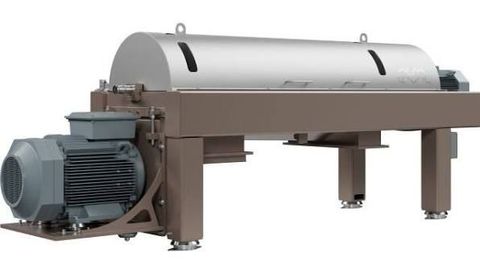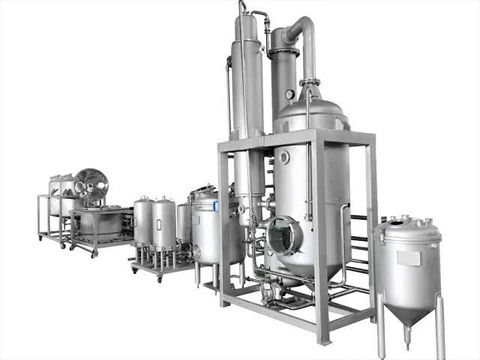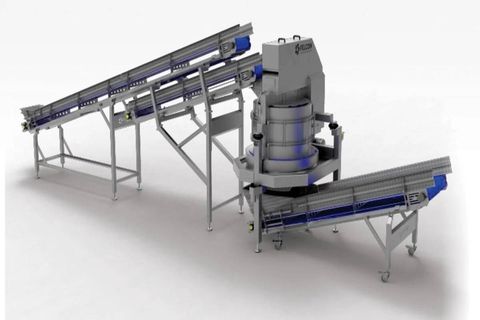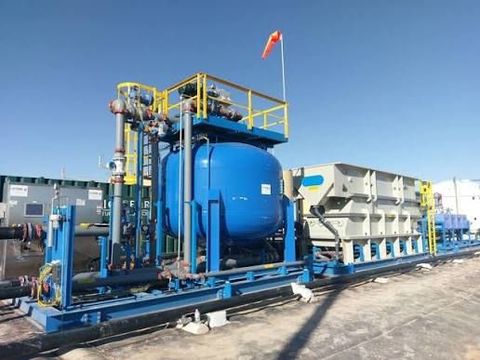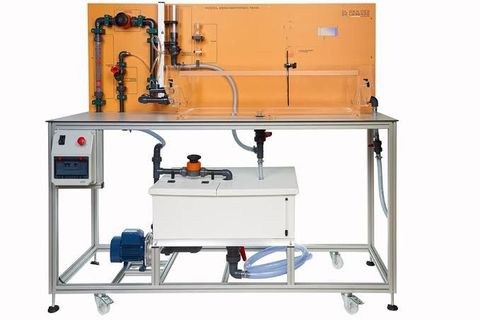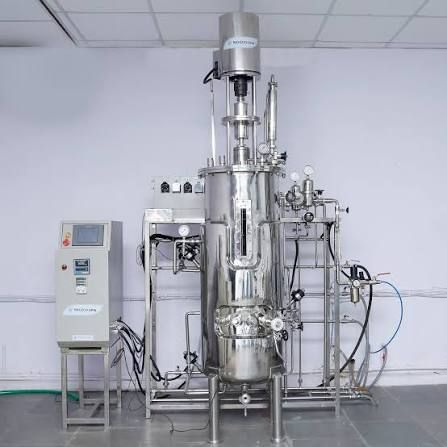
Industrial fermentation equipment is used to control biological processes in which microorganisms or cells transform selected materials into useful products.
Fermentation has roots in traditional food production, where people used naturally occurring microorganisms to make foods and beverages. Modern industrial systems apply controlled temperature, mixing, aeration, pressure, and sanitation to make these processes more consistent.
Today, industrial fermentation equipment can be found in food processing, biotechnology, agriculture, enzymes, bio-based materials, and other manufacturing areas. Typical systems include fermentation tanks, agitators, temperature controls, sensors, pumps, filtration units, and cleaning systems.
Why Industrial Fermentation Equipment Matters
Industrial fermentation requires carefully controlled conditions because microorganisms can respond to changes in temperature, oxygen, acidity, nutrients, and mixing. Equipment helps operators maintain these conditions throughout a production cycle.
For general manufacturing environments, process consistency is an important consideration. Variations in temperature or oxygen transfer can affect fermentation behavior, while inadequate cleaning can create contamination concerns.
Industrial fermentation equipment also supports different production scales. Laboratory systems may use small vessels for testing, while industrial facilities can use much larger tanks designed for continuous monitoring and controlled processing.
Key Equipment Components
Several components work together in a fermentation system:
- Fermentation vessels provide the controlled environment where biological activity occurs.
- Agitators help distribute nutrients, temperature, and dissolved gases through the mixture.
- Sensors measure conditions such as temperature, pH, pressure, and dissolved oxygen.
- Aeration systems introduce controlled amounts of air or other gases when required.
- Pumps and piping move liquids between process stages.
- Cleaning and sanitation systems help maintain appropriate equipment conditions between production cycles.
Common Equipment Types
| Equipment | Main Function | Typical Consideration |
|---|---|---|
| Fermentation tank | Holds the fermentation process | Volume and material |
| Agitator | Supports mixing | Mixing requirements |
| Temperature controller | Regulates process temperature | Operating range |
| pH sensor | Measures acidity or alkalinity | Measurement accuracy |
| Aeration system | Introduces controlled gas | Oxygen transfer |
| Filtration unit | Separates selected materials | Particle and process needs |
Tools and Resources for Understanding Fermentation Systems
Several technical resources can help readers understand industrial fermentation equipment and its operating requirements. Equipment manuals and manufacturer specifications can provide information about vessel dimensions, operating ranges, sensor compatibility, and material selection.
Process engineers may also use mass-balance calculations, heat-transfer calculations, oxygen-transfer models, and equipment-sizing worksheets when evaluating fermentation processes. These calculations help describe how materials, heat, gases, and liquids move through a system.
Online educational platforms, technical dictionaries, engineering reference libraries, and spreadsheet templates can also help explain fermentation terminology. Common subjects include bioreactor design, agitation, aeration, process control, sanitation, and heat transfer.
Factors Used in Equipment Selection
Important considerations can include:
- Production volume and vessel capacity
- Type of microorganism or cell culture
- Temperature and pH requirements
- Oxygen and mixing requirements
- Material compatibility
- Sensor and control requirements
- Cleaning and sanitation procedures
- Space and utility requirements
FAQs
What is industrial fermentation equipment?
Industrial fermentation equipment consists of tanks, sensors, agitators, pumps, aeration systems, controls, and related components used to manage fermentation processes at manufacturing scale.
How does industrial fermentation equipment control production conditions?
Industrial fermentation equipment can monitor and regulate factors such as temperature, pH, pressure, mixing, and dissolved oxygen. Automated controls may adjust selected operating conditions according to the process design.
What are fermentation tanks used for?
Fermentation tanks provide a controlled environment where microorganisms or cells can carry out biological processes. Their size and configuration vary according to production requirements.
Why are sensors important in fermentation equipment?
Sensors provide measurements of process conditions such as temperature, pH, pressure, and dissolved oxygen. These measurements help operators monitor changes during fermentation.
Where is industrial fermentation equipment used?
Industrial fermentation equipment is used across areas such as food production, enzyme manufacturing, biotechnology, agriculture-related processing, and production of certain bio-based materials.
Conclusion
Industrial fermentation equipment combines vessels, mixing systems, sensors, controls, aeration, and supporting components to manage controlled biological processes. Its design depends on factors such as production scale, process conditions, sanitation requirements, and material compatibility. Understanding these components helps explain how fermentation moves from controlled laboratory processes to larger industrial environments. Proper process monitoring and equipment design remain important considerations for maintaining consistent operating conditions.